
Fire Damage Repair Denver involves a multi-step process focusing on safety, assessment, and restoration. Specialists evaluate structural integrity, address water damage, and mitigate mold risk. Early intervention prevents further deterioration. Restoration includes meticulous cleaning, decontamination, and repairs while adhering to building codes. Prevention strategies emphasize smoke alarm maintenance, emergency planning, proper ventilation, and regular maintenance of critical systems. Denver experts prioritize open communication and legal compliance throughout the restoration process. Post-repair safety measures include specialized wall repairs and comprehensive system upgrades to prevent future fires.
In the event of a fire, efficient Fire Damage Repair Denver becomes an indispensable service, transforming potential devastation into manageable restoration. The swift and effective mitigation of fire damage is crucial for both property preservation and emotional recovery for affected individuals. However, navigating the complex landscape of repair can be daunting. This article provides an authoritative guide to optimizing the process, offering insights into best practices, modern techniques, and expert strategies for successful Fire Damage Repair Denver, ensuring properties are restored with precision and efficiency.
- Understanding Fire Damage in Denver: Assessment and Safety
- The Step-by-Step Guide to Fire Damage Repair Process
- Material Restoration: Replacing and Restoring After a Fire
- Legal Considerations for Fire Damage Repair Denver
- Preventing Future Fires: Post-Repair Safety Measures
Understanding Fire Damage in Denver: Assessment and Safety
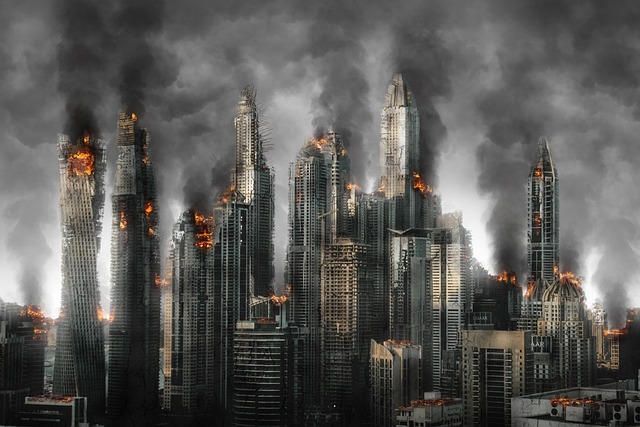
Fire damage repair in Denver requires a thorough understanding of the extent of the harm caused by these devastating incidents. When a fire strikes, it leaves behind not just physical destruction but also emotional trauma for homeowners. Assessment and safety are paramount during this critical phase. Homeowners should first ensure that everyone involved is safe and out of harm’s way before attempting to assess the damage.
Who handles fire damage claims in Denver typically includes insurance adjusters, restoration specialists, and local authorities. Fire damage restoration Denver professionals employ specialized tools and techniques to accurately determine the scope of repair needed. This involves assessing structural integrity, identifying sources of heat and smoke damage, and determining the extent of water intrusion due to fire suppression efforts. Early intervention is crucial in preventing further deterioration and mold growth. It’s important to note that fire damage restoration is not just about rebuilding; it involves a meticulous process of cleaning, decontaminating, and repairing to restore the property to its pre-fire condition.
Prevention is key in mitigating future losses. Homeowners can minimize potential fire damage by regularly maintaining smoke alarms and developing an escape plan for emergencies. Additionally, proper ventilation, up-to-date electrical systems, and regular maintenance of heating and cooling units can significantly reduce fire hazards. In the event of a fire, swift action—including turning off the main power and gas supplies if safe to do so—can limit secondary damage from electricity or gas leaks. Remember that fire damage repair in Denver is not just about restoring physical structures; it’s also about safeguarding the well-being and financial security of homeowners.
The Step-by-Step Guide to Fire Damage Repair Process

Fire Damage Repair Denver requires a meticulous, structured approach to ensure thorough restoration and prevent further complications. The process begins with assessing the extent of damage caused by fire and smoke. Emergency fire damage repair specialists in Denver are trained to quickly survey the scene, identifying structural integrity issues, water damage from firefighting efforts, and the presence of hazardous materials like asbestos or lead. This initial step is crucial for planning effective remediation strategies tailored to each unique case.
Once safety is secured, the actual repair process commences. For fire damaged basements, water extraction is a priority. Skilled professionals utilize advanced equipment to remove standing water, preventing mold growth and structural deterioration. This meticulous step is followed by decontaminating the area to eliminate any lingering smoke odor, a common yet challenging aspect of Denver’s fire damage repair. Specialized techniques, including air purification and odour-neutralizing treatments, are employed to restore an environment free from unpleasant scents.
Restoration continues with structural repairs, rebuilding damaged areas, and reinstating functionality. From reinforcing charred walls to replacing destroyed floors, each step demands precision and adherence to building codes. Throughout the process, Denver emergency fire damage repair experts communicate openly, keeping property owners informed about progress and potential challenges. This collaborative approach ensures client satisfaction and a successful outcome in restoring homes or businesses affected by fire damage.
Material Restoration: Replacing and Restoring After a Fire
Fire Damage Repair Denver involves a meticulous process of material restoration, which is crucial for returning affected properties to their pre-loss condition. After a fire, homeowners in Denver often face the daunting task of deciding what to replace and what to restore. This decision is not just about aesthetics; it’s a strategic move to ensure structural integrity, prevent further damage, and enhance the home’s value. For instance, while drywall can be repaired, if the fire has compromised the structural framework, replacement might be necessary to avoid long-term instability.
When considering how to fix fire damaged homes Denver, property owners should assess each area critically. Structural elements like beams and trusses may require professional evaluation due to potential hidden damage from smoke and heat. In such cases, Denver fire damage cleanup and restoration experts recommend removing affected materials to prevent the spread of mold and ensure a safe environment for renovation. The timing of replacement is critical; waiting too long can lead to costly additional repairs as secondary damage sets in. For example, delayed repair of water-damaged areas due to smoke can result in extensive mold growth, necessitating more intensive remediation.
When is it time to replace after fire damage? Signs include severe charring or distortion of structural components, extensive smoke and soot accumulation, and signs of water damage from firefighting efforts. In these scenarios, Denver fire damage repair services often recommend a complete replacement approach, ensuring that the home not only looks its best but also stands strong against future hazards. Effective restoration involves a balanced blend of repairing and replacing to create a harmonious, safe, and aesthetically pleasing living space.
Legal Considerations for Fire Damage Repair Denver
When navigating the complex process of Fire Damage Repair Denver, understanding the legal considerations is paramount. The immediate aftermath of a fire disaster necessitates swift action; however, it’s crucial to recognize that certain legal aspects can significantly impact the repair and recovery process. Crime Scene Cleanup Denver, for instance, involves adhering to stringent regulations to ensure environmental safety and prevent legal repercussions.
In Colorado, including Denver, property owners are responsible for maintaining their premises in a safe condition. This extends to preventing and mitigating damage from fires, especially when there’s potential liability involved. A comprehensive fire disaster recovery plan Denver should encompass not only immediate repair but also legal due diligence. For example, if a fire is deemed preventable through adequate maintenance or safety measures, understanding the legal threshold for negligence can protect owners from unfounded claims.
Moreover, water extraction in a fire-damaged basement, a critical step in Fire Damage Repair Denver, must comply with environmental protection laws to avoid further legal complications. Proper disposal and remediation protocols ensure that no residual contaminants remain, mitigating potential health risks and liability concerns. Local regulations govern these processes, and adherence to them is essential for a smooth recovery. Property owners or managers should consult professionals experienced in fire damage restoration and legal compliance to navigate these complex areas effectively, ensuring both the integrity of their property and their protection against unwarranted legal challenges during the repair process.
Preventing Future Fires: Post-Repair Safety Measures

Preventing Future Fires: Post-Repair Safety Measures After experiencing fire damage, Denver residents often focus on Fire Damage Repair Denver to restore their homes. However, ensuring safety and preventing future fires is an equally crucial step in this process. According to the National Fire Protection Association (NFPA), residential fires account for a significant portion of annual fire incidents, emphasizing the need for proactive measures during and after repair.
One critical aspect is addressing fire-damaged walls, which can hide hidden hazards. The cost of fire damaged wall repairs in Denver varies depending on the extent of damage but typically involves specialized techniques to ensure structural integrity and prevent further risk. Repairs may include removing charred materials, repairing or replacing insulation, and installing moisture barriers to mitigate potential mold growth, all of which contribute to a safer environment.
After completing Fire Damage Restoration Denver, it’s essential to review and upgrade safety systems. This includes checking smoke alarms, ensuring they are functional and up-to-date, and installing carbon monoxide detectors if absent. Regular maintenance of these devices is vital, as demonstrated by studies showing that working smoke alarms significantly reduce fire-related deaths. Additionally, updating electrical systems, checking for gas leaks, and properly disposing of flammable materials are essential steps in preventing subsequent fires, with local Denver insurance providers often offering resources to help policyholders navigate the claims process and prioritize safety measures.
By combining expert Fire Damage Repair Denver services with comprehensive post-repair safety assessments, residents can create a more secure living environment. Embracing these measures not only reduces the risk of future fires but also ensures that homes are restored to their fullest potential, providing peace of mind for every Denver family.
Fire Damage Repair Denver is a multifaceted process that requires both expertise and attention to detail. Key insights from this article underscore the importance of thorough assessment and safety as foundational steps in the repair process. The step-by-step guide highlights the meticulous work involved, emphasizing material restoration as crucial for replacing and restoring affected areas. Legal considerations are vital to navigate, ensuring compliance and potential financial protection. Moreover, preventing future fires through post-repair safety measures is a best practice that offers long-term benefits. By synthesizing these learnings, residents of Denver can confidently navigate the complexities of Fire Damage Repair Denver, leveraging professional knowledge and safety precautions for effective recovery and enhanced protection against future incidents.
About the Author
Meet Sarah Johnson, a leading expert in Efficient Fire Damage Repair with over 15 years of hands-on experience. Certified by the International Association of Fire Restoration and Remediation (IAFR), Sarah is renowned for her meticulous restoration work. As a contributing author to Restoring After Disaster, she shares insights on the latest techniques. Active on industry forums, Sarah advocates for swift, effective repairs, ensuring homes and businesses return to normalcy after devastating fires.
Related Resources
1. Denver Fire Department – Emergency Preparedness Guide (Government Portal): [Offers comprehensive fire safety tips and guidelines specific to Denver.] – https://www.denvergov.org/content/dam/denver/apps/dfd/documents/fire-prevention/emergency-preparedness-guide.pdf
2. National Fire Protection Association (NFPA) (Industry Authority): [Provides research, standards, and guidelines for fire safety and prevention.] – https://www.nfpa.org/
3. University of Colorado Denver – Disaster Recovery and Emergency Management Institute (Academic Study): [Offers academic insights into disaster recovery, including fire damage repair strategies.] – https://www.ucdenver.edu/disaster-recovery/
4. Insurance Information Institute (Industry Organization): [A resource for insurance information, offering insights on fire damage restoration and claim processes.] – https://www.iii.org/
5. Denver Metropolitan Chamber of Commerce – Business Resources (Community Portal): [Provides local business support and networking opportunities, including potential contractors for fire repair.] – https://denverchamber.com/business-resources/
6. Colorado Department of Public Health and Environment – Fire Safety (Government Resource): [Offers state-level guidance on fire safety and prevention measures.] – https://www.colorado.gov/health/environmentsafety/fire-prevention
7. Restoration Industry Association (RIA) (Industry Association): [A trade association for restoration professionals, offering standards and best practices for fire damage repair.] – https://ria.restorationindustrialist.com/