

Fire Damage Repair Denver requires a meticulous assessment to determine costs, which vary based on damage scope, structural integrity, contents preservation, and decontamination needs. A six-step process includes professional containment, removal of damaged property, structural repair, restoration, deodorization, and reconstruction. Preventative measures like smoke detectors and regular inspections reduce costs and risks. Engaging reputable Denver fire restoration companies is crucial for efficient recovery.
Fire Damage Repair Denver is a critical aspect of community resilience and home restoration. In the aftermath of a fire, timely and effective restoration not only mitigates further damage but also provides peace of mind for affected residents. However, navigating the complexities of Fire Damage Restoration Cost can be daunting. This guide aims to demystify the process, offering an authoritative overview of typical costs associated with restoring your Denver home after a fire. By understanding these factors, homeowners can make informed decisions and ensure their property is expertly restored to its pre-fire condition.
- Understanding Fire Damage in Denver: Assessing the Scope
- The Cost Breakdown: Factors Influencing Restoration Expenses
- Restoring Your Home: Step-by-Step Guide to Fire Damage Repair Denver
- Prevention and Preparation: Minimizing Fire Damage Costs in Denver
Understanding Fire Damage in Denver: Assessing the Scope

Understanding Fire Damage in Denver: Assessing the Scope of Repair
Fire damage restoration in Denver involves a complex process that requires meticulous assessment and expert intervention. The first step in fire damage repair Denver begins with evaluating the extent of destruction caused by flames, heat, smoke, and water. This comprehensive evaluation is crucial to determining the scope of work needed for restoring fire-damaged property in Denver. For instance, a small kitchen fire might require only surface cleaning and deodorization, while a larger blaze could leave structural elements compromised, necessitating everything from wall reconstruction to complete system replacement.
Denver’s climate adds another layer of complexity. Smoke and heat can penetrate deep into building structures, causing hidden damage that may not be immediately apparent. Moisture, often used to extinguish fires, can also lead to mold growth if not properly managed during the restoration process. Therefore, it’s essential to engage professional fire damage restoration services in Denver that understand these unique challenges. Companies specializing in denver fire damage restoration before and after should conduct a thorough inspection, documenting every affected area to support insurance claims effectively and ensure thorough fire damage insurance claim assistance Denver.
Restoring fire-damaged property in Denver involves a multi-step process, including containment, decontamination, and reconstruction. Containment focuses on preventing further damage by isolating affected areas while decontamination removes hazardous remnants of smoke and water. Reconstruction then begins, restoring both structural integrity and aesthetic appeal. Data from recent studies shows that average fire damage restoration costs in Denver range from $20,000 to $40,000 for residential properties, depending on the severity. Commercial buildings can expect significantly higher prices due to larger sizes and more complex systems. Engaging a reputable company offering restoring fire damaged property denver services is paramount for seamless recovery, ensuring your home or business returns to pre-fire condition efficiently and effectively.
The Cost Breakdown: Factors Influencing Restoration Expenses
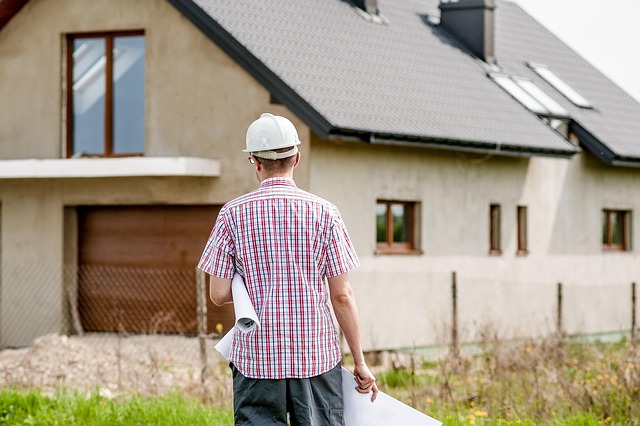
Fire Damage repair Denver can be a complex and costly endeavor, with expenses varying widely depending on several factors. Understanding these influences is vital for homeowners navigating the process, as it enables them to budget effectively and make informed decisions when hiring Denver fire damage claim consultants or specialists. The primary cost drivers include the extent of damage, structural integrity, contents preservation, and necessary decontamination.
In terms of scope, a minor kitchen fire may result in manageable repairs costing a few thousand dollars, focusing on smoke removal and replacing affected cabinets or appliances. Conversely, a large-scale blaze that engulfs an entire level or involves heavy smoke damage could easily drive restoration costs into the tens of thousands. Such cases often necessitate specialized Crime Scene Cleanup Denver services due to potential hazardous materials or legal considerations.
Structural elements also significantly impact expenses. Repairs for structural fires may include replacing charred framing, rebuilding load-bearing walls, and restoring damaged floors or roofs. In severe instances, entire sections might need to be demolished and rebuilt, adding substantial costs. Similarly, the complexity of contents restoration varies; cleaning and restoring delicate items like electronics or fine art is a meticulous process that can extend the timeline and increase expenses.
Additionally, decontamination services may be required if fire or water damage has led to hazardous conditions. This includes removing toxic fumes, asbestos, or mold growth. Such specialized services are crucial for ensuring a safe environment but can significantly add to the overall cost of Denver fire damage repair. Homeowners should be aware that these variables often interact, creating a cascading effect on overall expenses. For instance, extensive smoke damage may necessitate decontamination, driving up costs accordingly.
Restoring Your Home: Step-by-Step Guide to Fire Damage Repair Denver
Fire damage repair Denver is a meticulous process that requires skilled professionals to restore your home safely and effectively. Restoring a property after a fire involves multiple steps, each crucial for mitigating further damage, ensuring structural integrity, and reclaiming your living space. This guide offers a step-by-step approach to navigating the fire damage repair Denver landscape, focusing on both residential properties and historical buildings.
Step 1: Assess the Damage and Call Professionals. The initial phase is critical. After ensuring safety, document the extent of the fire damage using photos and videos. Then, contact reputable fire damage restoration companies specializing in Denver. These professionals will conduct a thorough inspection, assessing structural stability, identifying hazardous materials, and determining the scope of repair needed. This expertise is vital to prevent further deterioration and ensure safe entry.
Step 2: Containment and Safety. Before any repairs begin, containment is paramount. Fire restoration experts implement measures to isolate affected areas, preventing the spread of soot and smoke. They may use negative air pressure to remove contaminated air and prevent residual odors from permeating unaffected sections of your home. This step is particularly crucial for historical buildings where preserving delicate materials requires specialized handling.
Step 3: Remove Damaged Property and Debris. Once contained, professionals safely remove charred furniture, belongings, and structural components. This meticulous process involves careful disassembly to avoid further damage. In cases of flooded basements following a fire, water extraction and drying become essential steps before restoration can commence, often requiring specialized equipment for effective Denver flood damage repair.
Step 4: Structural Repair and Reinforcement. Repairs range from addressing minor structural cracks to rebuilding entire sections. Experts use advanced techniques and materials suitable for historical buildings while ensuring compliance with modern safety standards. In severe cases, structural engineers may be consulted to assess and reinforce the home’s foundation and framing.
Step 5: Fire Restoration and Deodorization. This involves repairing or replacing damaged surfaces, repainting, and restoring fabrics. Specialized equipment is used to remove soot stains and neutralize odors caused by smoke and fire. For historical buildings, restorers employ techniques that preserve authenticity while removing contaminants. The goal is a restored home that not only looks good but also feels safe and comfortable.
Step 6: Reconstruction and Final Touches. In this final phase, your home is rebuilt and refined. From installing new flooring and fixtures to fine-tuning the interior design, professionals ensure everything aligns with pre-fire conditions or, in the case of historical buildings, captures the building’s unique character. This meticulous reconstruction aims to transform a disaster into a revitalized space.
Fire disaster recovery for residential properties, including historical buildings, requires dedicated expertise and a thorough understanding of local regulations. By following these steps and enlisting qualified Denver fire damage restoration companies, property owners can navigate the challenging journey of repairing their homes effectively and efficiently.
Prevention and Preparation: Minimizing Fire Damage Costs in Denver
Preventing and preparing for fires is a crucial step in minimizing costs associated with fire damage repair Denver residents might face. While prompt action from fire safety restoration specialists is vital after a fire, taking proactive measures can significantly reduce the overall financial burden. Regular maintenance and upgrades to smoke detectors, fire alarms, and sprinkler systems are essential investments that can provide early warning, giving residents precious time to evacuate safely. According to the National Fire Protection Association (NFPA), working smoke alarms cut the risk of dying in a home fire by almost half.
Creating an effective fire disaster recovery plan Denver homes and businesses should not underestimate. This includes developing an evacuation strategy, ensuring important documents are stored off-site, and implementing backup power sources. During a fire, having a clear plan facilitates quicker response times and reduces the potential for costly secondary damage from water used in firefighting or smoke inhalation. For instance, planning for sewage cleanup Denver services post-fire is crucial to avoid further contamination and structural damage.
Moreover, educating residents about fire safety practices can go a long way in preventing fires altogether. Simple precautions like keeping cooking areas clear of flammable materials, ensuring electrical systems are up-to-date, and avoiding overloading power outlets can significantly lower the risk of a blaze. Regular inspections by fire safety restoration specialists can also identify potential hazards before they become catastrophic, enabling timely repairs or upgrades at minimal cost. By combining these preventative measures with a well-rehearsed evacuation plan, Denver communities can better manage fire-related incidents and minimize repair costs associated with fire damage repair Denver services.
Understanding fire damage and its potential impact on Denver homes is the first step towards effective Fire Damage Repair Denver. The article has comprehensively outlined the assessment process, highlighting the importance of a thorough inspection to determine the scope of restoration needed. Key insights include recognizing that costs vary based on factors like structural damage, contents affected, and necessary decontamination.
The step-by-step guide emphasizes practical actions for property owners, ensuring a systematic approach to repair and recovery. Furthermore, prevention strategies are vital to minimize expenses; regular maintenance, fire safety measures, and proactive planning can significantly reduce potential losses. By arming themselves with this knowledge, Denver residents can navigate Fire Damage Repair Denver with confidence, knowing the factors influencing costs and the steps to restore their homes effectively.